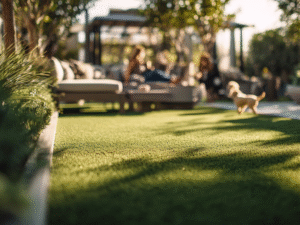
Average Lifespan of Turf Fields
Artificial turf fields are engineered to withstand heavy use while maintaining consistent performance and safety. On average, a well-maintained artificial turf can last up to 15 years. turf field can last between 8 to 10 years under normal conditions. However, with proper maintenance and a well-executed maintenance program, fields can last even longer—sometimes up to 15 years. The typical lifespan depends heavily on the intensity of usage, field maintenance, and the quality turf materials used during turf installation.
The artificial turf field lifecycle includes gradual deterioration of turf fibers, infill compaction, and wear in high-traffic areas, which over time can impact field performance. It’s important to regularly assess these changes to know when it’s time to replace your turf.
Variations by Turf Type and Usage
Different types of synthetic turf fields will have varying The lifespans of well-maintained artificial turf can last up to 15 years of use., especially when comparing a turf replacement to a well-maintained artificial turf. football field to a soccer field or field hockey surface. Artificial turf sports fields designed for competitive play tend to experience more wear than turf fields used for landscaping or recreational purposes. Similarly, fields with heavy equipment usage, such as maintenance machinery or event setups, may degrade faster.
Additionally, the turf system, including synthetic fibers, infill, and base structure, influences longevity. Today’s synthetic designs have improved durability compared to earlier generations. Still, the turf maintenance is crucial for longevity. field lifespan will eventually reach the end of its useful life, and you’ll need to replace artificial turf to maintain optimal conditions.
What Factors Affect Turf Longevity?
Frequency of Use (Sports vs. Landscaping)
The hours of use your field undergoes is a primary factor. A sports field used for daily team practices and games will degrade faster than a grass field Artificial turf installations can be installed in a residential or light-use commercial area. High-intensity usage accelerates fiber breakdown and infill displacement, reducing the lifespan of your synthetic turf.
Quality of Turf Material
Not all turf materials Not all synthetic grass are created equal. Investing in high-quality turf from a reputable turf manufacturer Proactive repairs can significantly enhance how long a field turf performs at its best for years to come. synthetic field lasts. Inferior products tend to fray and lose color faster, while quality options maintain structure and appearance for longer durations.
Installation Quality
Poor turf installation can compromise the lifespan of your turf. Uneven surfaces, inadequate drainage layers, or improperly applied infill can cause premature wear or safety hazards. Partnering with professional sports construction teams ensures your Synthetic grass fields are created equal. are built to last.
Learn more about effective installation practices with artificial turf football field installation.
Climate and Weather Exposure
Sun exposure, extreme heat, snow, and rain all play a role in how turf fields age. UV degradation, freeze-thaw cycles, and moisture retention can impact the turf surface The durability of artificial turf installations depends on the quality of the grass and sub-layers. beneath the turf. Fields in harsh climates need more frequent field assessment to identify wear and tear.
Maintenance Practices
Maintenance is crucial to extending the lifespan of any artificial turf field. Routine cleaning, infill top-ups, turf field maintenance, and brushing help preserve the field’s condition. The cost of annual maintenance is far less than the replacement costs, making regular maintenance a smart investment that saves money in the long run.
How to Extend the Life of Your Turf Field
Regular Grooming & Brushing
Brushing redistributes infill and keeps the synthetic turf fibers upright. This prevents matting and helps maintain the natural look of artificial grass. Proper brushing schedules can be the difference between a turf field lasting 8 years or 12.
Cleaning & Drainage Maintenance
Debris, organic material, and excessive moisture can create breeding grounds for bacteria and mold. Regular cleaning and checking for blocked drains will reduce contamination and promote a healthier turf surface. For fields with pet usage, visit How long does a pet turf last in terms of years of use? to understand specific care.
Managing High-Traffic Areas
Turf fields used for football fields, baseball fields, or soccer fields experience uneven wear. Managing high-traffic areas is essential for synthetic grass longevity. with more frequent grooming, additional infill, or early spot replacement can balance wear and avoid full field failure. Monitoring field usage closely can significantly affect how long your field can vary in condition.
Professional Inspection and Repairs
Engaging professionals for sports field maintenance ensures early detection of wear and structural issues. If your field is different in wear patterns or performance, it may be time for minor repairs or to replace your artificial turf field. Read this article on how turf has evolved over the years of use. cost analysis of artificial turf football fields to better understand your budget options.
When to Replace Your Turf Field
If you’re noticing more injuries, inconsistent ball roll, or flattened fibers, these could be signs that it’s time to replace your artificial field. Common signs include:
- Heavily worn turf carpet
- Compact or missing infill
- Flattened turf fibers
- Poor drainage or pooling
Learn when and why to replace artificial turf by reading how long does artificial turf last.
Once a field reaches the end of its useful life, you may need to budget for turf field replacement. Compare the initial cost of installing a turf field to maintenance of natural grass to determine what’s best for your facility in the long run. Learn more by exploring artificial turf vs natural fields sports.
Final Thoughts
The lifespan of your synthetic turf ultimately depends on how the field is used, the turf manufacturer, climate, and how well it’s maintained. Whether you manage a turf football field, natural grass field, or synthetic sports turf, prioritizing routine maintenance Regular turf maintenance and proactive repairs can prolong your investment.
From field size to equipment on the turf, every detail affects how long your surface will last. If you’re ready to upgrade or replace your artificial turf, it’s best to consult with field experts for a fieldturf cost breakdown. Don’t forget to review the artificial turf installations. cost of replacing artificial turf as part of your long-term facility planning.
Considering installing or upgrading your field? Check out:
- artificial turf football field cost
- how much does pet turf cost
- how much does fake grass cost
- how long does a pet turf last
Proper planning and upkeep ensure your well-maintained synthetic turf Well-maintained artificial turf performs at its best for years to come.